
VEIN CLINIC OF LAS VEGAS®
El médico habla español
unsightly veins
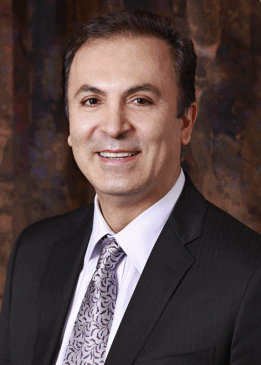
M. H. BASHY, M.D.
Dr. Bashy is a Diplomate of the American Board of Internal Medicine and a member of the American Board of Phlebology. He is certified in endovenous laser ablation, VNUS closure radio-frequency ablation (closureFAST), ultrasound-guided foam sclerotherapy (Varithena) and cosmetic sclerotherapy. He has been performing varicose/spider vein procedures since 1998 and has performed over 75,000 cosmetic sclerotherapy sessions and over 3,000 varicose vein procedures (Endovenous ablations).
- Endovenous laser ablation
- VNUS closure radio-frequency ablation (closureFAST)
- Ultrasound-guided foam Sclerotherapy (Varithena)
- Cosmetic Sclerotherapy
- Catholic University of Cordoba, Argentina
- Georgetown University in Washington, D.C.
- Brown University in Rhode Island.
- El Médico Habla Español
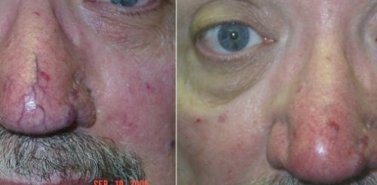
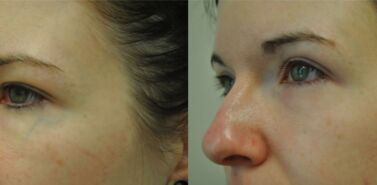
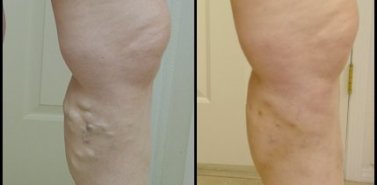
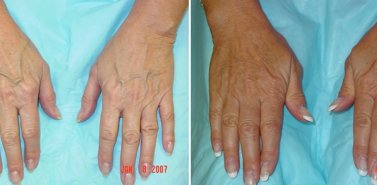
- Eliminate unattractive veins of the legs, hands, face, and other parts by the safe method of sclerotherapy
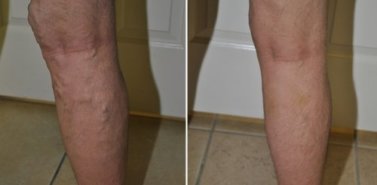
- Ultrasound Guided Sclerotherapy/Endovenous Laser therapy for treatment of varicose veins
- Continue routine activities after treatment
- No anesthesia, No cutting
- Suitable for all ages
- Affordable, Most insurances accepted
- All the VEIN treatments are performed by Dr.BASHY
We hold ourselves to the highest standards of patient safety and care, and provide the best and latest in modern vein treatment technology available . Our facility features a combination of highest service and comfort to patients who are looking for a pleasant non-surgical experience. Our goal is to help you achieve the best results, while making you feel like part of our family.
varicose vein procedures (Endovenous ablations)
| Monday: | 08:00 am – 4:00 pm |
| Tuesday: | 08:00 am – 4:00 pm |
| Wednesday: | 08:00 am – 4:00 pm |
| Thursday: | 08:00 am – 4:00 pm |
| Friday: | 08:00 am – 4:00 pm |
| Weekend: | Closed |
WE OFFER MEDICAL CONSULTATION FOR PATIENTS AND PROVIDE YOU AN ESTIMATE AT YOUR FIRST VISIT.
Coming from Summerlin:
Use 215 South Highway
Exist Russell Road
Continue to Jerry Tarkanian Way
Make a right turn first street after PT’s Pub
Coming from Henderson:
Use 215 West Highway
Exit Russell Road
Make a left turn into Russell Road
Make another left turn on 1st traffic light into Jerry Tarkanian Way
Make a right turn into the 1st street after PT’s Pub
Las Vegas Leg and Hand Vein Treatment In the vibrant city of Las Vegas, where an active lifestyle is cherished,…
As we age, our hands often reveal the signs of aging just as much as our face. Bulging veins on…
Polidocanol injectable foam has emerged as a cutting-edge solution for vein treatments and certain aesthetic applications, particularly in the realm…
Our Scheduling Dept. is available from Monday-Friday, 8:00am – 4:00pm to help you find a date & time that works for you.
Appointments ONLY through a phone!
702-838-0444
Suite 200, Las Vegas, NV 89148